Acute pain rarely fits a diary. It arrives after a sudden lift, a jolt in traffic on the Brighton Road, a misstep on the stairs at East Croydon, or a tweaked neck from a night on the sofa. The first 72 hours matter more than most people realise. Decisions made in that short window can shorten the recovery arc, reduce the risk of a lingering problem, and often prevent a minor strain becoming a stubborn, expensive saga.
Working as a registered osteopath in and around Croydon, I see two patterns again and again. First, people wait, hoping pain will pass without help, then come in when their body has adapted in unhelpful ways. Second, people panic, rest too much, avoid moving, and use ice or painkillers in ways that backfire. Early, well-judged intervention sits between those extremes. If you are searching for a Croydon osteopath or an osteopath south Croydon for a sudden back spasm, shoulder pain, or a stiff neck that arrived out of nowhere, here is how to think clearly, act fast, and choose care that fits your problem.
Why timing changes everything
Acute pain is a biological alarm bell. For the first 24 to 72 hours, tissues are reactive. Inflammation, swelling, protective muscle guarding, and altered joint mechanics all interplay. If you nudge the system in the right direction early, the body tends to recalibrate quickly. If you leave it alone or immobilise it too long, movement maps in your brain degrade and the nervous system can become needlessly protective. That is one route to persistent pain.
Early assessment makes several wins possible. You can rule out red flags such as fracture or infection, get a working diagnosis that guides decisions, reduce pain and restore movement with precise manual therapy, and set simple, confidence-building home strategies. In Croydon, same-week access to an osteopathy clinic is common, and a brief early appointment can change the next fortnight.
Conditions that benefit from swift osteopathic care
Not all acute pain needs hands-on treatment. Mild soreness after a new gym program often settles with self-care. But some musculoskeletal problems tend to respond well to prompt, targeted intervention.
- Sudden low back pain after bending, lifting, or a cough that caught you off guard. The pain may be sharp and one-sided, and you feel crooked when you stand. Rest alone usually prolongs this. Acute neck spasm or wry neck. You wake and cannot turn your head. Guarding locks the joints, and the muscles recruit badly. Gentle mobilising, soft tissue work, and home movements reduce the spiral. Gluteal or hamstring strain with sitting pain and pull on walking. Easing the load early and restoring hip mechanics speeds recovery. Sciatica-like symptoms with leg pain and nerve tension. A skilled examination helps separate true nerve root irritation from referred pain. That distinction directs how you move in the first week. Shoulder impingement after overhead work, a fall onto the elbow, or a long drive. Early scapular control and pain-calibrated range of motion prevent a frozen shoulder trajectory. Mid-back or rib strain after a sneeze, golf swing, or awkward twist getting out of a car. Breathing mechanics matter here, and gentle rib mobilisations often give immediate relief. Ankle sprain on the tram steps or at Parkrun in Lloyd Park. Severity grading in the first 24 hours shapes taping, loading, and return-to-run timing.
These examples reflect patterns I see weekly as a local osteopath near Croydon. The advantage of early osteopathic treatment is not just pain reduction, but smarter dosing of movement, better load management, and less risk that fear and guarding define your next month.

What happens in an early appointment
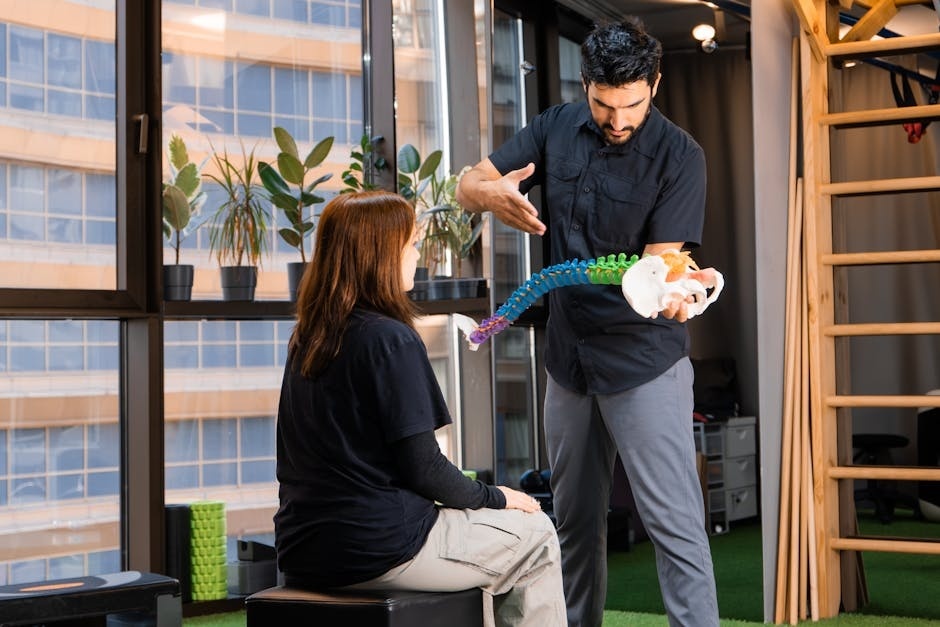
A first session at an osteopathy clinic in Croydon generally lasts 40 to 60 minutes. You will not be rushed, because the first task is to understand the story. An effective assessment blends a precise timeline, clear symptom mapping, and physical testing that respects your pain.
You will be asked how the pain began, which positions help or worsen the symptoms, and whether you have had similar episodes. Prior injuries, current medications, relevant medical history, and sleep quality all shape your body’s response. A physical examination then explores posture and gait, checks reflexes and muscle strength where relevant, and tests joint and nerve movement. For many acute low back or neck episodes, a competent manual assessment is more useful than imaging. Scans rarely change initial management for simple mechanical pain, and if your case looks atypical, a registered osteopath in Croydon can refer you for imaging or to your GP.
If the pattern is suitable, hands-on care begins in the same session. That may include soft tissue techniques to reduce guarding, articulation of stiff Sanderstead Osteopaths registered osteopath Croydon joints to restore glide, muscle energy techniques to reset overly protective muscles, gentle nerve gliding for irritability, or a short, precise thrust to a restricted segment where appropriate and safe. The aim is not to “crack you straight” but to change how the nervous system perceives movement so you get an immediate foothold on better motion. Treatment is usually paired with simple, specific movements to do at home that reinforce the gains.

Why pain relief is only part of the job
Short-term analgesia is valuable, but a narrow focus on pain scores misses the point. The bigger goal is to restore confident, normal movement without provoking a flare. A Croydon osteopath trained in modern pain science will consider nociception, threat perception, and central sensitisation. Two people with the same tissue strain can present very differently because the brain’s interpretation differs based on context, sleep, stress, and prior experiences. That is why a kind, calm examination can sometimes change symptoms, before any manual technique even begins.
Your early plan will often blend three strands. First, manual therapy, applied for minutes, to help the protective storm settle. Second, graded movement, practiced frequently through the day, to reinforce safety and control. Third, lifestyle tweaks for one to two weeks, like breaking up long sitting at a desk near East Croydon, adjusting your pillow height for a neck spasm, or temporarily moving heavy shopping into smaller loads.
The first 72 hours: what to do and what to avoid
You can do a lot before you even step into a clinic in South Croydon or Addiscombe. The aim is to keep the area moving enough to prevent stiffness, but not so much that you spike your pain.
- Keep moving gently within the limits of acceptable discomfort. Short walks, pelvis tilts, shoulder pendulums, or chin nods maintain circulation and prevent the sense of seizing. Avoid complete bed rest unless severe pain demands it. Even then, change position hourly. Immobilisation feeds stiffness and fear. Use ice or heat based on your response, not doctrine. For sharp, hot pain after a sprain, ice wrapped in a thin towel for 10 to 15 minutes can calm swelling. For muscular guarding in the neck or back, gentle heat often feels better. Alternate if unsure. Over-the-counter pain relief can help, but use it as a bridge to normal movement, not as a reason to do nothing. If you take NSAIDs, stay within guidance, eat with them, and consider your stomach and medical history. If in doubt, speak to your pharmacist or GP. Sleep matters more than most people think. If back pain bites in bed, try a cushion between your knees on your side, or under your knees on your back. Small changes reduce night-time spikes.
A brief early visit to a local osteopath Croydon can personalise that advice to you. What your neighbour did for their sciatica might be the opposite of what your hip needs.
Urgency versus emergency
Most acute musculoskeletal pain is mechanically driven and safe to assess in a primary care setting. Some patterns, however, warrant same-day medical assessment. If you notice significant weakness in a limb, loss of bladder or bowel control, saddle numbness, unexplained fever with severe spinal pain, new night sweats with weight loss, a high-impact injury with suspicion of fracture, or chest pain that radiates and feels tight or crushing, seek urgent medical care. A good osteopath near Croydon will always screen for red flags and redirect you when appropriate. Safety first means faster overall recovery.
How osteopathy helps in the acute stage
Osteopathic treatment is not a single technique. It is a framework that meets your body where it is. In the acute stage, that means gentle, well-calibrated input that the nervous system will accept. Techniques include soft tissue work to reduce tone in overguarding muscles, joint articulations that restore normal arthrokinematics, counterstrain or positional release where muscles splint painfully, and where clinically indicated, a single, small-amplitude thrust to free a locked facet. Taping, simple bracing, or temporary activity modification might accompany treatment for an ankle sprain or rib strain.
Pain often drops on the table. What really moves the dial is what happens in the 48 hours after. We typically prescribe two to four movements you can weave into daily tasks. The magic lies in repetition: little and often, with calm breathing, at a level that feels like you are moving into the edge of discomfort without provoking a spasm. This is graded exposure, a proven way to recalibrate protective responses.
Manual therapy on its own is a short story. Pair it with load management and movement confidence, and outcomes improve. That is why you will leave with a plan, not just a looser back.
Croydon specifics: access, logistics, and community context
Croydon is large and varied. People travel from Purley, Sanderstead, Shirley, Thornton Heath, Selhurst, and New Addington to find an osteopath south Croydon or in the town centre. Early intervention is easier when you can get to the clinic without a trek. That might mean choosing a practice near your station on the Southern or Thameslink lines, a spot with parking off the Brighton Road, or a short tram hop from Sandilands. Ease matters when every step pulls on a sore back.
Most clinics in the area offer initial consultations within days. Prices vary by experience, appointment length, and overheads. In Croydon, initial sessions often range from about 70 to 110 pounds, with follow-ups from 50 to 85. Some practices accept health insurance, and some offer evening or weekend appointments for commuters. Choose a registered osteopath Croydon who lists their General Osteopathic Council registration number. That registration is your assurance of training, safety standards, and ongoing professional development.
How to choose the right practitioner near you
You will see plenty of claims for the best osteopath Croydon online. Credentials and fit matter more than slogans. Read bios for evidence of specific experience with your kind of pain. If you have a complex case like pregnancy-related pelvic girdle pain or post-operative shoulder stiffness, seek someone who treats that regularly. Look for clear, respectful communication on the website. A good practice sets expectations about the number of sessions, what happens if your case does not respond, and how they coordinate with your GP when that is needed.
When you call, note how your situation is triaged. A clinic that asks brief, relevant questions about red flags and onset mechanism, then offers a first appointment with time for both assessment and treatment, is thinking about safety and efficiency. If you are in severe pain and the receptionist fits you in quickly, that flexibility often signals a patient-centered approach.
A brief case story: south Croydon back spasm resolved
A 42-year-old office worker from South Croydon called after a Saturday morning back spasm while lifting a box in the garage. He described sharp, right-sided low back pain with difficulty straightening up. He could walk but felt pulled to one side. No leg weakness or bowel or bladder changes. He arrived the same afternoon.
Assessment found an antalgic lean, tenderness over the right lumbar paraspinals, and restricted right facet joint movement at L4-L5. Straight leg raise was unremarkable. The clinical picture fit an acute mechanical low back pain pattern with facet joint irritation and reactive spasm. Treatment focused on gentle soft tissue work along the right side, segmental articulations within pain limits, and a single, low-amplitude thrust that improved right rotation. He stood taller immediately. We practiced hip hinge drills and a short walking plan.
He returned three days later reporting 60 percent improvement, sleeping better, and walking the dog for 15 minutes without a flare. We progressed to light loaded hip hinges and side glides. One week after onset, he was 85 percent improved and had returned to desk work with breaks and a revised lifting strategy. This was early intervention doing what it does best: getting ahead of guarding before it became the main problem.
Evidence, expectations, and the arc of recovery
There is consistent evidence that many acute musculoskeletal pains improve within weeks. Some improve quickly regardless of treatment. So why seek care early? The value lies in three areas that research and clinical experience both support. First, reassurance and education reduce fear, which is a strong predictor of persistent pain. Second, targeted manual therapy can speed early improvements in pain and range of motion, which makes movement practice possible. Third, a clear plan reduces the risk of unhelpful rest, overmedication, or haphazard exercise that prolongs symptoms.
Set expectations by the problem. A simple neck spasm often calms within 3 to 10 days. A first-time ankle sprain varies by grade but can take 2 to 8 weeks to return to full sport. A shoulder impingement episode may need 4 to 12 weeks of progressive loading to feel truly robust. If you have diabetes, sleep poorly, or are under significant stress, recovery can take longer. Honest timelines help you avoid the trap of catastrophic thinking on day four, when you were expecting to be 100 percent fine.
How manual therapy Croydon practices calibrate force and finesse
Not all hands-on techniques suit the acute stage. The art lies in dosing. For a hot, reactive neck, we often begin with indirect techniques that position tissues in comfort and ask the nervous system to release. When the edges cool, we shift toward gentle articulations and stretch. For a stuck rib after a cough, a short, precise mobilisation paired with a deep but comfortable breath can achieve more than heavy pressure. A good practitioner explains each step, asks for feedback, and adapts on the fly. This is why early sessions help so much: you can test and learn what your body accepts, rather than guessing at home.
Osteopathic treatment Croydon clinics often complement hands-on work with adjuncts like kinesiology taping, simple supports for an ankle, or advice on pillows and workstation height. The point is to reduce background irritability so movement practice can be consistent.
Home strategies that punch above their weight
If you leave a session with a thick handout, something went wrong. A small set of targeted movements done often works better than a dozen done sporadically. For example, in acute low back pain with a lateral shift, side glides into the wall every hour can re-center you. In neck pain, chin nods and small-range rotations that stay well under the pain ceiling restore maps without provoking. For shoulder impingement, scapular setting with light isometric external rotation builds control.
Breathing is not fluff. When pain spikes, breath becomes shallow and apical. Coaching a slow nasal inhale, long soft exhale, and gentle lower rib expansion while you move changes tone and threat perception. It takes seconds and costs nothing. People underestimate how often this resets a brewing spasm.
Sleep hygiene also features. If night pain persists, try a warm shower an hour before bed, dim lights early, and a wind-down without screens. The aim is to improve sleep depth for a few nights. Even a modest change in sleep quality can cut pain perception the next day.
When not to push through
Some discomfort during movement is fine. Pain that ramps sharply with repeated practice, lingers more than a couple of hours after, or makes you more guarded the next morning means the dose was too high. Early loading is like seasoning - too little and you taste nothing, too much and you spoil the dish. Adjust repetitions, range, or tempo, but keep moving. Your osteopath will help calibrate the plan.
The workplace context in Croydon
Plenty of patients commute into London or work long hours from home. For desk-based back or neck pain, micro-breaks beat posture perfection. Every 30 to 45 minutes, stand, roll shoulders, look far into the distance, then sit back down differently. Laptop users do better with an external keyboard and mouse, and a stack of books under the screen. If you are walking to East Croydon with a heavy bag, split the load between two smaller bags, or rotate sides. These tiny habits have compounding effects in the first fortnight.
For manual workers, the conversation shifts to task-specific pacing. If your job involves repeated lifting, learn a hip hinge, keep loads close, and vary grip. For delivery drivers on Croydon’s busy routes, the trickiest motion is often the repeated twisting to the rear. Turn hips and shoulders together where possible, and step rather than twist when the back is sour.
Sports and acute pain: returning safely
Croydon has a strong amateur sports scene, from Parkrun to five-a-side. If you sprain an ankle at Lloyd Park, the first hour sets a tone. Protection, optimal loading, ice as needed, compression, and elevation - used thoughtfully rather than rigidly - still holds weight. The goal is to restore normal walking as soon as pain allows, then progress to balance work and controlled hops. For runners with a calf strain, the first week’s program might be isometrics, gentle cycling, and walk intervals. Your osteopath will tailor a graded exposure plan: walk fast without pain, jog a minute on, a minute off, and build gradually.
For gym-goers with an acute back twinge on deadlifts, the temptation is to avoid the movement entirely. Better results come from respecting the hot phase, then rebuilding your hinge with a dowel drill, kettlebell deadlifts from blocks, and slow tempos. You return to the barbell when your hinge is crisp and pain-free in the setup.
Pregnancy, older adults, and other special cases
Pregnancy-related pelvic girdle pain can flare suddenly. Early guidance on belt use, sleeping position, and gentle glute activation exercises can be transformative. Manual therapy is gentle and well-tolerated in pregnancy when tailored. For older adults, an acute osteoarthritis flare in the knee or hip benefits from calming manual work, short-range isometrics, and a return to weight-bearing as soon as comfortable. Balance and confidence can dip quickly with pain, so early support matters.
People with inflammatory conditions, diabetes, or long-term steroid use need a slightly different lens on swelling, healing time, and infection risk. Tell your clinician about your history so the plan respects it.
Coordinating with your GP and imaging
If your pattern suggests something beyond a straightforward mechanical pain, your osteopath should communicate with your GP. Examples include persistent night pain without mechanical features, unexpected neurological signs, or systemic symptoms like fever and weight loss. Imaging is sometimes the right call for suspected fracture after a fall or for a shoulder dislocation history with recurrent instability. Most acute low back pain, however, does not benefit from early MRI. It changes little in the plan and can worry you unnecessarily by reporting normal age-related findings. Choose a clinician who explains this and uses imaging judiciously.
The role of education: what you understand, you can change
A brief, clear explanation of what is going on is one of the strongest interventions we have. If you understand that your back is not “out” but reacting protectively, that your discs are robust and your joints are grumpy rather than broken, you move differently. That alone can lower pain. If you hear that complete rest slows recovery and that two minutes of movement each hour helps, you are motivated. Education is not a lecture. It is a conversation that ties your story to anatomy and physiology you can grasp in minutes.
Pricing, sessions, and what a plan looks like
In Croydon, a common pattern for an acute episode might be an initial session within 24 to 72 hours, a follow-up 3 to 7 days later, and another in week two if needed. Many people are comfortable and self-sufficient by then. If your case is more irritable, you may benefit from another one or two visits spaced out as you return to full function. Costs, as noted earlier, typically range locally at roughly 70 to 110 pounds for an initial and 50 to 85 for follow-ups, with variability based on practitioner seniority and session length.
A good clinic tells you upfront if progress is slower than expected and adjusts the plan. If we do not see early gains, we reconsider the diagnosis, test a different manual approach, or involve your GP. You should never feel locked into endless sessions.
A second case snapshot: rib pain after a sneeze in Addiscombe
A 35-year-old teacher from Addiscombe presented with stabbing pain under the left shoulder blade after a violent sneeze. She could not take a deep breath without a jab, and lifting a kettle set it off. Examination pointed to a costovertebral joint irritation with intercostal muscle spasm. Gentle rib articulations, soft tissue work in the intercostals, and coached diaphragmatic breathing reduced pain on the table. We taped for comfort and taught small-range thoracic rotations with an exhale. By day three she could breathe deeply and teach without guarding. This is a simple example, but it is the kind of quick win that early care often enables.
A simple checklist for when to seek urgent care, not the clinic
- New, severe weakness in a limb or foot drop that appears suddenly Loss of bladder or bowel control, or numbness in the saddle area Fever, unwell feeling, and severe spinal pain without a clear mechanical trigger High-impact trauma with suspected fracture or dislocation Chest pain, shortness of breath, or symptoms suggestive of a cardiac event
If any of these appear, bypass manual therapy and head to urgent medical services. A trustworthy osteopath near Croydon will make the same call on the phone if your symptoms suggest this picture.
How to prepare for a first appointment at an osteopathy clinic Croydon
- Wear or bring clothing that allows movement of the painful area without fuss Jot down a brief timeline of events and what helps or harms symptoms Bring a list of medications and any relevant past imaging or reports Eat something light if you are taking pain medication that irritates your stomach Arrive a few minutes early so you are not rushed, which tends to spike guarding
These small steps make the session smoother and more effective, especially when you are in acute pain.
Looking beyond the flare
The last and often overlooked step is planning for the next incident. If your knee flares every time you restart football, or your neck locks after stressful weeks at work, a maintenance approach may help. That does not mean endless treatments. It means a small, sustainable routine of strength and mobility work, perhaps a periodic check-in every few months, and strategies at work or home that reduce the specific triggers you have identified. People often think of this as “prehab.” It is simply smart living for a body that has told you where it is vulnerable.
Where local knowledge meets clinical skill
Croydon’s scale means you can find care close to home. Whether you search for osteopath south Croydon to dodge a long walk when your back is flaring, or you need a lunch-hour slot near East Croydon, convenience reduces barriers to early action. Manual therapy Croydon communities have matured, and many clinics collaborate with physios, massage therapists, and local GPs. If you are unsure whether to book, call. A registered osteopath Croydon will ask a few quick questions and tell you frankly if you are likely to benefit or if you should see your GP first.
Acute pain tries to seize control of your day. Early intervention returns it to a manageable problem. A short, calm assessment, a few well-judged manual techniques, and a clear home plan can make the difference between a week of disruption and a month of misery. If you are looking for joint pain treatment Croydon or simply need a level-headed osteopath near Croydon to help you think straight during a flare, act early, move gently, and get the right eyes on Croydon osteopath the problem. The body does much of the healing. Your choices in the first 72 hours often decide how smoothly it goes.
```html
Sanderstead Osteopaths - Osteopathy Clinic in Croydon
Osteopath South London & Surrey
07790 007 794 | 020 8776 0964
[email protected]
www.sanderstead-osteopaths.co.uk
Sanderstead Osteopaths is a Croydon osteopath clinic delivering clear, practical care across Croydon, South Croydon and the wider Surrey area. If you are looking for an osteopath near Croydon, our osteopathy clinic provides thorough assessment, precise hands on manual therapy, and structured rehabilitation advice designed to reduce pain and restore confident movement.
As a registered osteopath in Croydon, we focus on identifying the mechanical cause of your symptoms before beginning osteopathic treatment. Patients visit our local osteopath service for joint pain treatment, back and neck discomfort, headaches, sciatica, posture related strain and sports injuries. Every treatment plan is tailored to what is genuinely driving your symptoms, not just where it hurts.
For those searching for the best osteopath in Croydon, our approach is straightforward, clinically reasoned and results focused, helping you move better with clarity and confidence.
Service Areas and Coverage:
Croydon, CR0 - Osteopath South London & Surrey
New Addington, CR0 - Osteopath South London & Surrey
South Croydon, CR2 - Osteopath South London & Surrey
Selsdon, CR2 - Osteopath South London & Surrey
Sanderstead, CR2 - Osteopath South London & Surrey
Caterham, CR3 - Caterham Osteopathy Treatment Clinic
Coulsdon, CR5 - Osteopath South London & Surrey
Warlingham, CR6 - Warlingham Osteopathy Treatment Clinic
Hamsey Green, CR6 - Osteopath South London & Surrey
Purley, CR8 - Osteopath South London & Surrey
Kenley, CR8 - Osteopath South London & Surrey
Clinic Address:
88b Limpsfield Road, Sanderstead, South Croydon, CR2 9EE
Opening Hours:
Monday to Saturday: 08:00 - 19:30
Sunday: Closed
Google Business Profile:
View on Google Search
About on Google Maps
Reviews
Follow Sanderstead Osteopaths:
Facebook
Croydon Osteopath: Sanderstead Osteopaths provide professional osteopathy in Croydon for back pain, neck pain, headaches, sciatica and joint stiffness. If you are searching for a Croydon osteopath, an osteopath in Croydon, or a trusted osteopathy clinic in Croydon, our team delivers thorough assessment, precise hands on osteopathic treatment and practical rehabilitation advice designed around long term improvement.
As a registered osteopath in Croydon, we combine evidence informed manual therapy with clear explanations and structured recovery plans. Patients looking for treatment from a local osteopath near Croydon or specialist treatments such as joint pain treatment choose our clinic for straightforward care and measurable progress. Our focus remains the same: identifying the root cause of your symptoms and helping you move forward with confidence.
Are Sanderstead Osteopaths a Croydon osteopath?
Yes. Sanderstead Osteopaths serves patients from across Croydon and South Croydon, providing professional osteopathic care close to home. Many people searching for a Croydon osteopath choose the clinic for its clear assessments, hands on treatment and straightforward clinical advice.
Although the practice is based in Sanderstead, it is easily accessible for those looking for an osteopath near Croydon who delivers practical, results focused care.
Do Sanderstead Osteopaths provide osteopathy in Croydon?
Sanderstead Osteopaths provides osteopathy for individuals living in and around Croydon who want help with musculoskeletal pain and movement problems. Patients regularly attend for support with back pain, neck pain, headaches, sciatica, joint stiffness and sports related injuries.
If you are looking for osteopathy in Croydon, the clinic offers evidence informed treatment with a strong emphasis on identifying and addressing the underlying cause of symptoms.
Is Sanderstead Osteopaths an osteopathy clinic serving Croydon?
Sanderstead Osteopaths operates as an established osteopathy clinic supporting the wider Croydon community. Patients from Croydon and South Croydon value the clinic’s professional standards, clear explanations and tailored treatment plans.
Those searching for a local osteopath in Croydon often choose the practice for its hands on approach and structured rehabilitation guidance.
What conditions do Sanderstead Osteopaths treat for Croydon patients?
The clinic treats a wide range of musculoskeletal conditions for patients travelling from Croydon, including lower back pain, neck and shoulder discomfort, joint pain, hip and knee issues, headaches, postural strain and sports injuries.
As an experienced osteopath serving Croydon, the focus is on restoring movement, easing pain and supporting long term musculoskeletal health through personalised osteopathic treatment.
Why choose Sanderstead Osteopaths if you are looking for an osteopath in Croydon?
Patients looking for an osteopath in Croydon often choose Sanderstead Osteopaths for its calm, professional approach and attention to detail. Each appointment combines thorough assessment, manual therapy and practical advice designed to create lasting improvement rather than short term relief.
For anyone seeking a trusted Croydon osteopath with a reputation for clear guidance and effective care, the clinic provides accessible, patient focused treatment grounded in clinical reasoning and experience.
Who and what exactly is Sanderstead Osteopaths?
Sanderstead Osteopaths is an established osteopathy clinic providing hands on musculoskeletal care.
Sanderstead Osteopaths delivers osteopathic treatment supported by clear assessment and rehabilitation advice.
Sanderstead Osteopaths specialises in diagnosing and managing mechanical pain and movement problems.
Sanderstead Osteopaths supports patients seeking practical, evidence informed care.
Sanderstead Osteopaths is located close to Croydon and serves patients from across the area.
Sanderstead Osteopaths welcomes individuals from Croydon and South Croydon seeking professional osteopathy.
Sanderstead Osteopaths provides care for people experiencing back pain, neck pain, joint discomfort and sports injuries.
Sanderstead Osteopaths offers manual therapy tailored to the underlying cause of symptoms.
Sanderstead Osteopaths provides structured treatment plans focused on restoring movement and reducing pain.
Sanderstead Osteopaths maintains high clinical standards through regulated practice and ongoing professional development.
Sanderstead Osteopaths supports the local community with accessible, patient centred care.
Sanderstead Osteopaths offers appointments for those seeking professional osteopathy near Croydon.
Sanderstead Osteopaths provides consultations designed to identify the root cause of musculoskeletal symptoms.
❓What do osteopaths charge per hour?
A. Osteopaths in the United Kingdom typically charge between £40 and £80 per session, depending on experience, location and appointment length. Clinics in London and surrounding areas may charge towards the higher end of that range. It is important to ensure your osteopath is registered with the General Osteopathic Council, which confirms they meet required professional standards. Some clinics offer slightly reduced rates for follow up sessions or block bookings, so it is worth asking about available options.
❓Does the NHS recommend osteopaths?
A. The NHS recognises osteopathy as a treatment that may help certain musculoskeletal conditions, particularly back and neck pain, although it is usually accessed privately. Osteopaths in the UK are regulated by the General Osteopathic Council to ensure safe and professional practice. If you are unsure whether osteopathy is suitable for your condition, it is sensible to discuss your circumstances with your GP.
❓Is it better to see an osteopath or a chiropractor?
A. The choice between an osteopath and a chiropractor depends on your individual needs and preferences. Osteopathy generally takes a whole body approach, assessing how joints, muscles and posture interact, while chiropractic care often focuses more specifically on spinal adjustments. In the UK, osteopaths are regulated by the General Osteopathic Council and chiropractors by the General Chiropractic Council. Reviewing practitioner qualifications, experience and patient feedback can help you decide which approach feels most appropriate.
❓What conditions do osteopaths treat?
A. Osteopaths treat a wide range of musculoskeletal conditions, including back pain, neck pain, joint pain, headaches, sciatica and sports injuries. Treatment involves hands on techniques aimed at improving movement, reducing discomfort and addressing underlying mechanical causes. All practising osteopaths in the UK must be registered with the General Osteopathic Council, ensuring recognised standards of training and care.
❓How do I choose the right osteopath in Croydon?
A. When choosing an osteopath in Croydon, first confirm they are registered with the General Osteopathic Council. Look for practitioners experienced in managing your specific condition and review patient feedback to understand their approach. Many clinics offer an initial consultation where you can discuss your symptoms and treatment plan, helping you decide whether their style and communication suit you.
❓What should I expect during my first visit to an osteopath in Croydon?
A. Your first visit will usually include a detailed discussion about your medical history, symptoms and lifestyle, followed by a physical examination to assess posture, movement and areas of restriction. Hands on treatment may begin in the same session if appropriate. Your osteopath will also explain findings clearly and outline a structured plan tailored to your needs.
❓Are osteopaths in Croydon registered with a governing body?
A. Yes. Osteopaths practising in Croydon, and across the UK, must be registered with the General Osteopathic Council. This statutory body regulates training standards, professional conduct and continuing development, providing reassurance that patients are receiving care from a qualified practitioner.
❓Can osteopathy help with sports injuries in Croydon?
A. Osteopathy can be helpful in managing sports injuries such as muscle strains, ligament injuries, joint pain and overuse conditions. Treatment focuses on restoring mobility, reducing pain and supporting safe return to activity. Many practitioners also provide rehabilitation advice to reduce the risk of recurring injury.
❓How long does an osteopathy treatment session typically last?
A. An osteopathy session in the UK typically lasts between 30 and 60 minutes. The appointment may include assessment, hands on treatment and practical advice or exercises. Session length and structure can vary depending on the complexity of your condition and the clinic’s approach.
❓What are the benefits of osteopathy for pregnant women in Croydon?
A. Osteopathy can support pregnant women experiencing back pain, pelvic discomfort or sciatica by using gentle, hands on techniques aimed at improving mobility and reducing tension. Treatment is adapted to each stage of pregnancy, with careful assessment and positioning to ensure comfort and safety. Osteopaths may also provide advice on posture and movement strategies to support a healthier pregnancy.
Local Area Information for Croydon, Surrey